
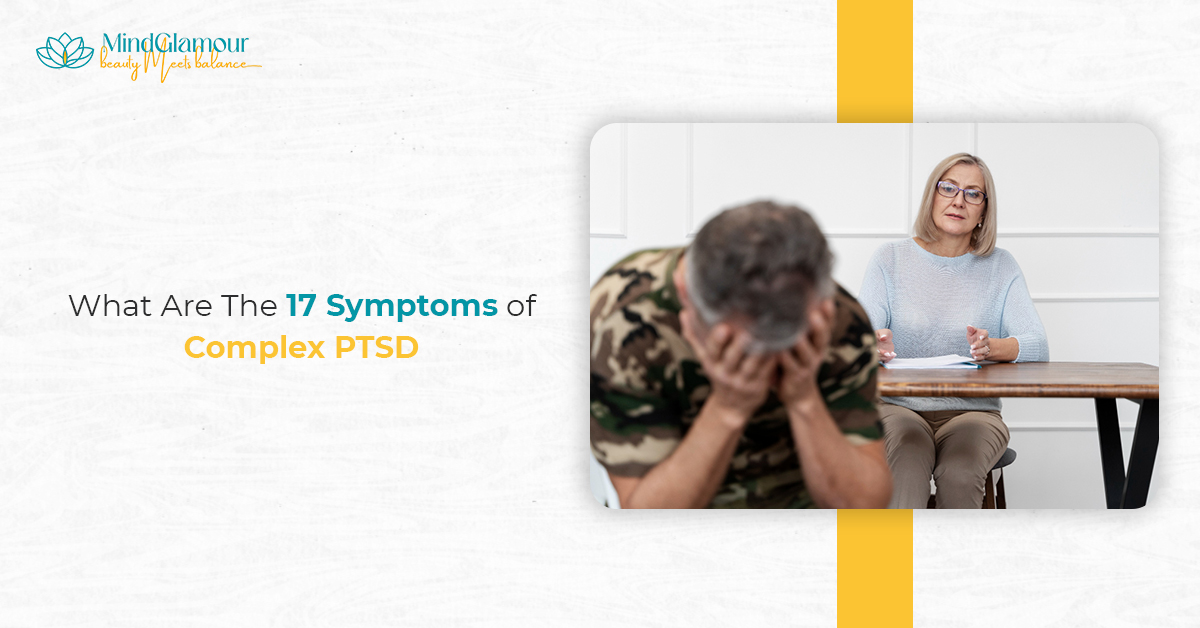
Complex PTSD receives less attention than standard PTSD, yet it’s quite prevalent. This condition arises from enduring trauma multiple times over an extended duration.
- PTSD from an abusive family member
- Years in a toxic relationship
- Ongoing abuse during childhood
Rather than being caused by a single traumatic incident, it stems from persistent trauma. And the signs? They can also be different.
When Your Emotions Feel Tough to Handle
C PTSD symptoms mess with your emotional world in ways that are hard to explain to people who haven’t been there.
- You might get hit with waves of anger or sadness that feel way too big for whatever triggered them
- Other times, you feel absolutely nothing. Just numb. Like you’re watching your own life happen to someone else
- Shame becomes this constant background noise—you blame yourself for things that weren’t even your fault
- Getting through the day feels pointless because you can’t imagine things ever getting better
Your Relationships Are Affected, Too
One of the hardest parts is what PTSD from relationships or other ongoing trauma does to how you connect with people.
- Trusting anyone feels almost impossible, even when they’ve done nothing wrong
- You either push everyone away or hold on way too tight (sometimes both with the same person)
- Being around others feels lonely somehow, like there’s this wall nobody can get through
What It Does to Your Body
Here’s something individuals often overlook: the impact of trauma resides physically, beyond just the mind.
- Unexplained minor pains and discomforts that medical professionals struggle to diagnose.
- The intense challenges of PTSD, like the ‘fight or flight’ response and sleep disturbance, are harsh
- There’s a constant state of vigilance, surveying spaces for ways out, checking your surroundings, and experiencing rapid heartbeats from slight sounds
- Intrusive memories aren’t cinematic. Occasionally, a mere scent or sound is enough to transport you instantly back to the event
You Don’t Recognize Yourself Anymore
PTSD complex symptoms often include losing your sense of who you are.
- You look in the mirror and don’t really know that person
- There’s this deep feeling of being worthless or permanently damaged
- Things you used to care about don’t mean anything now
When Reality Feels Off
Dissociation is one of the weirder symptoms to experience (and explain).
- You feel disconnected from your body, like you’re floating above yourself watching everything happen
- Time goes missing. You’ll realize hours passed and have no memory of them
- Everything feels fake or dreamlike, like you’re walking through a movie set instead of real life
About Those Triggers
Complex PTSD triggers can be anything. A certain tone of voice. The way someone stands. A holiday. Weather.
Untreated PTSD means you’re constantly getting blindsided by these triggers without understanding why you suddenly feel terrible.
The positive news (there is some) is that Complex PTSD is treatable. Trauma-centered work has helped many individuals to recover
It takes time, but recovery can happen.
Get Support
Should this resonate with you, perhaps connect with a specialist familiar with trauma. Not every mental health expert has specific training in C PTSD symptoms, so locating someone who understands is key.
Get in touch with Mind Glamour PLLC today for professional care.
FAQs
What sets complex PTSD apart from typical PTSD?
PTSD commonly arises following a single, highly frightening or distressing incident.
Complex PTSD often stems from prolonged experiences.
For instance, years within difficult relational patterns frequently impact self-perception and interpersonal connections more profoundly.
Is a troubled relationship capable of inducing complex PTSD?
Yeah. It can. When you’re in something long-term that’s controlling, unpredictable or just emotionally draining, it chips away over time.
That’s where PTSD from relationships comes in. It leaves you questioning trust and feeling on guard, even when things are calm now.
What do triggers actually feel like with complex PTSD?
They’re often small things that catch you off guard. A certain look, a phrase, or even a smell.
Suddenly, you’re flooded with old feelings. Like your body thinks the past is happening again. Those are complex PTSD triggers. They can hit without much buildup.